The process uses electrical energy and specially designed electrodes to influence the properties of water, transforming ordinary water into different streams with different pH and oxidation-reduction characteristics.
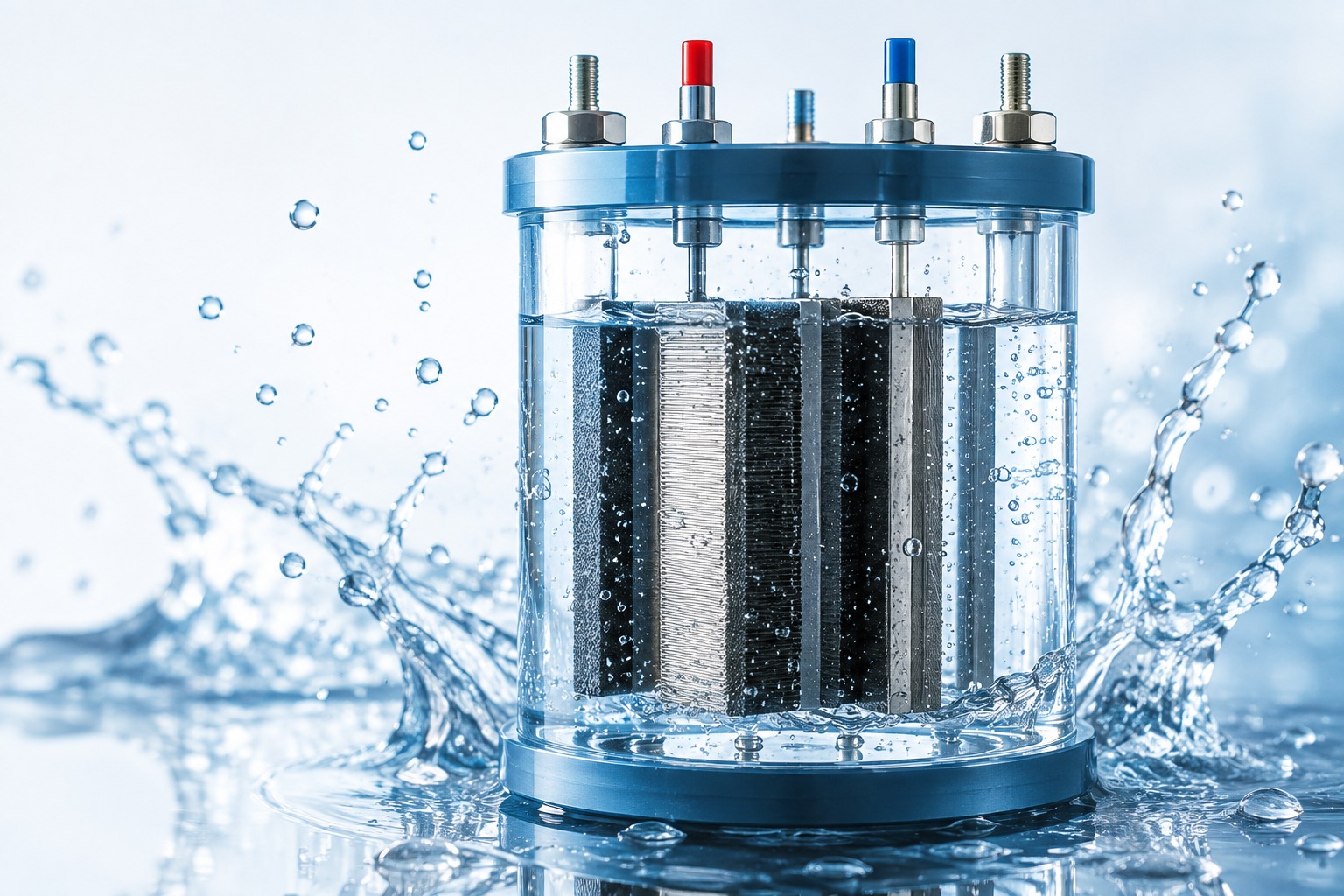
Water Electrical Current Electrolysis Separation Different Water Outputs
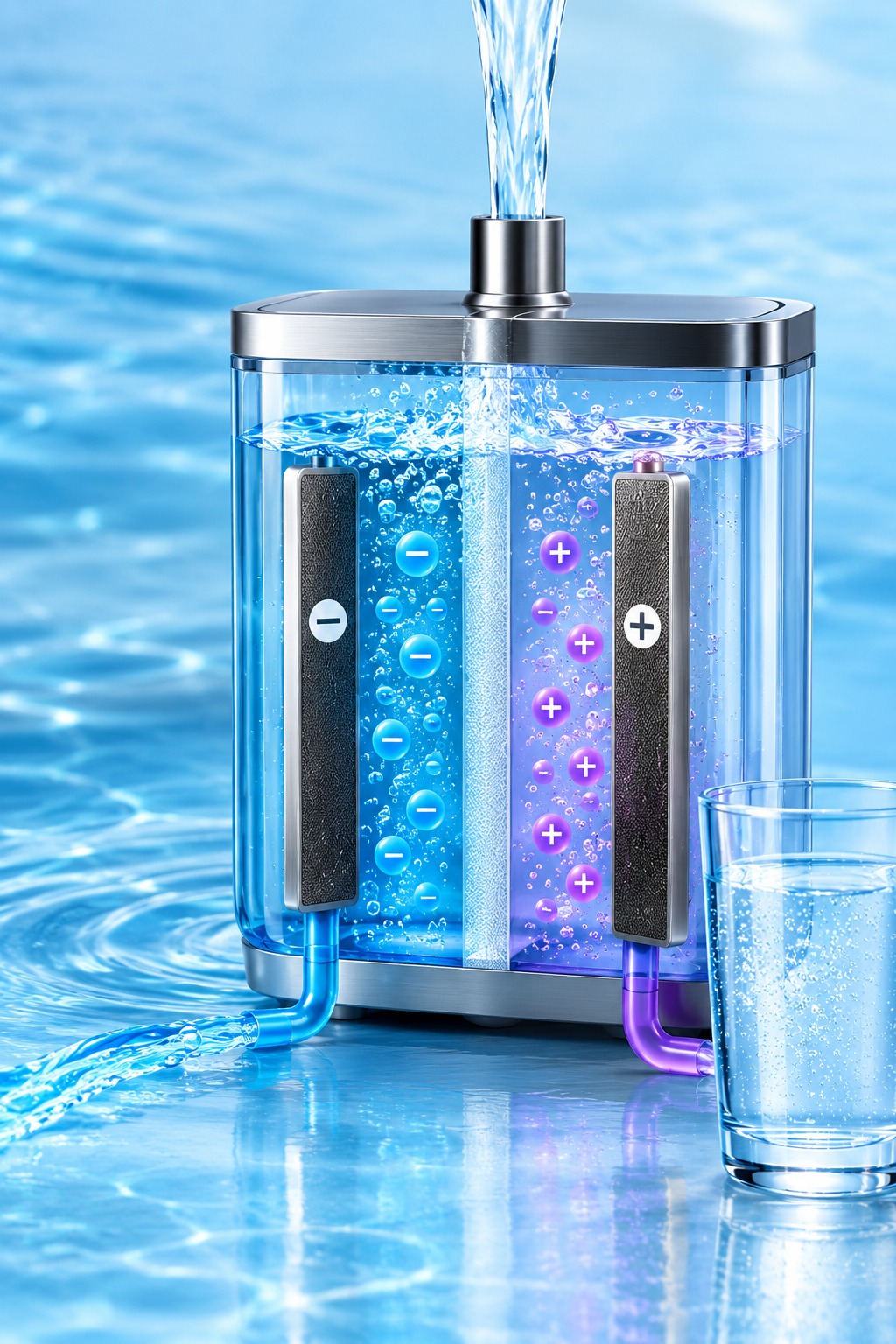
In a water ionizer, electrolysis is used to produce different water streams, including alkaline and acidic water, depending on the machine's settings.
Water enters the ionization chamber after passing through the appropriate filtration system, where applicable.
A controlled electrical current is applied to the electrodes.
The electrical current influences the water at the electrode surfaces.
The process produces separate water streams with different electrochemical characteristics.
The selected water setting determines the characteristics of the water produced by the ionizer.
The electrolysis chamber is one of the most important components of a water ionizer. It contains specially designed electrodes through which the water passes during the electrolysis process.
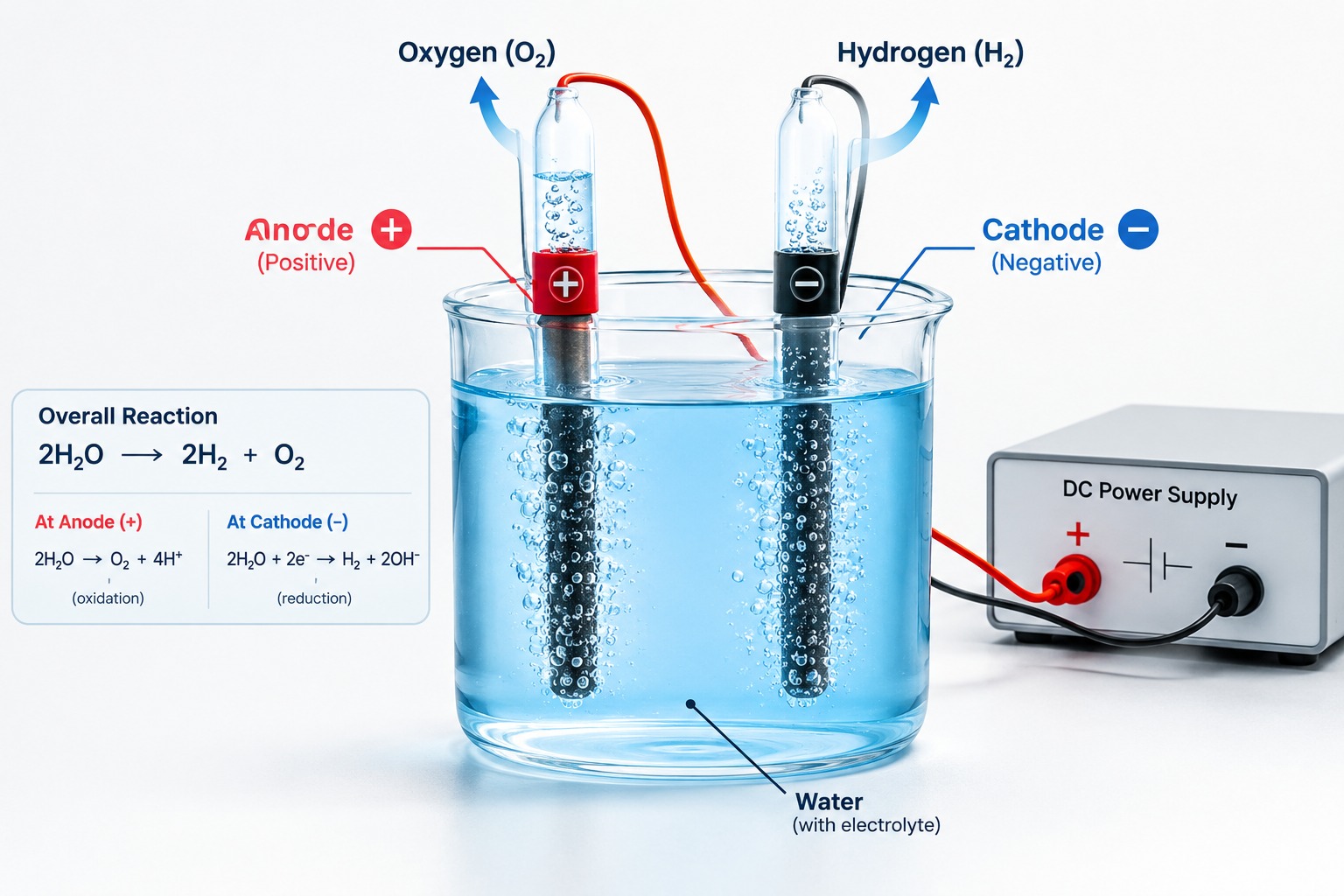
Input Water Electrical Energy Electrochemical Changes Separation Multiple Outputs
Ordinary water enters the electrolysis chamber. A controlled electrical current is applied through the electrodes, influencing water chemistry and electrochemical properties. The water is then directed into different streams, producing water with different pH and ORP characteristics.
Electrolysis allows the ionizer to produce water across different pH settings according to the machine's specifications.
The electrolysis process can influence the oxidation-reduction potential of the resulting water.
Under suitable operating conditions, electrolysis can produce water containing dissolved molecular hydrogen.
Different water settings can be selected for drinking and other household applications.
Water Molecules → Electrolysis → Hydrogen Generation → Molecular Hydrogen Dissolution → Hydrogen-Rich Water
During electrolysis, water undergoes electrochemical reactions at the electrodes. Under suitable conditions, molecular hydrogen can be generated and dissolved into the water.
Electrolysis can produce water streams with different pH characteristics.
ORP (Oxidation Reduction Potential) describes the oxidation-reduction characteristics of water and is measured in millivolts (mV).
Electrolysis can influence the ORP of different water streams. The resulting ORP depends on factors such as water composition, pH, dissolved gases, temperature, and operating conditions.
The composition and mineral content of source water can influence electrolysis.
The condition and cleanliness of the electrodes can affect performance.
Temperature can influence electrochemical reactions and water characteristics.
Water flow through the electrolysis chamber can affect the process.
Different operating settings can produce different water characteristics.
Selected settings influence the characteristics of the resulting water.
A properly maintained filtration system helps support consistent operation.
Following the recommended cleaning and maintenance schedule helps maintain reliable performance.
IONDIA uses specially designed titanium electrodes to support the electrolysis process.
| Feature | IONDIA Electrolysis Technology | Ordinary Water |
|---|---|---|
| Electrolysis Process | Uses controlled electrolysis | No electrolysis |
| pH Options | Multiple settings depending on model | Naturally occurring pH |
| ORP Characteristics | Can be influenced through electrolysis | Depends on source and treatment |
| Hydrogen-Rich Water | Can produce dissolved molecular hydrogen under suitable conditions | Not intentionally generated through electrolysis |
| Water Outputs | Different water streams | Typically one water stream |
IONDIA combines electrochemical technology, specially designed electrodes, and controlled water processing to create a modern water-ionization experience.
Advanced Electrolysis Technology
Premium Titanium Electrodes
Multiple pH Levels
Hydrogen-Rich Water
Safe & Reliable Technology
Excellent Customer Support
Learn More