ORP — Oxidation Reduction Potential

UNDERSTANDING THE REDOX PROPERTIES OF WATER

ORP (Oxidation Reduction Potential) is a measurement of the tendency of water to either accept or donate electrons.

It is expressed in millivolts (mV) and helps describe the oxidation-reduction characteristics of water.
  • Redox Potential
  • Electrochemical Property
  • Negative ORP
  • Hydrogen-Rich Water
ORP

UNDERSTANDING THE ORP SCALE

ORP is measured in millivolts (mV)

Positive ORP generally indicates a more oxidizing environment, while negative ORP indicates a more reducing environment.

Positive ORP (+mV)

More Oxidizing

Neutral

Around 0 mV

Negative ORP (-mV)

More Reducing

EXAMPLES OF ORP VALUES

Typical ORP Ranges

Tap Water

Typically positive ORP

Bottled Water

ORP varies by source and treatment

RO Water

ORP varies depending on the system and water quality

IONDIA Alkaline Water

May have negative ORP depending on the ionizer settings and water conditions

ORP values can vary significantly depending on water source, minerals, temperature, measurement method, and equipment.

WHY DOES NEGATIVE ORP MATTER?

Negative ORP indicates a reducing environment. In electrolyzed water, negative ORP can be associated with the presence of reducing substances, including dissolved molecular hydrogen.
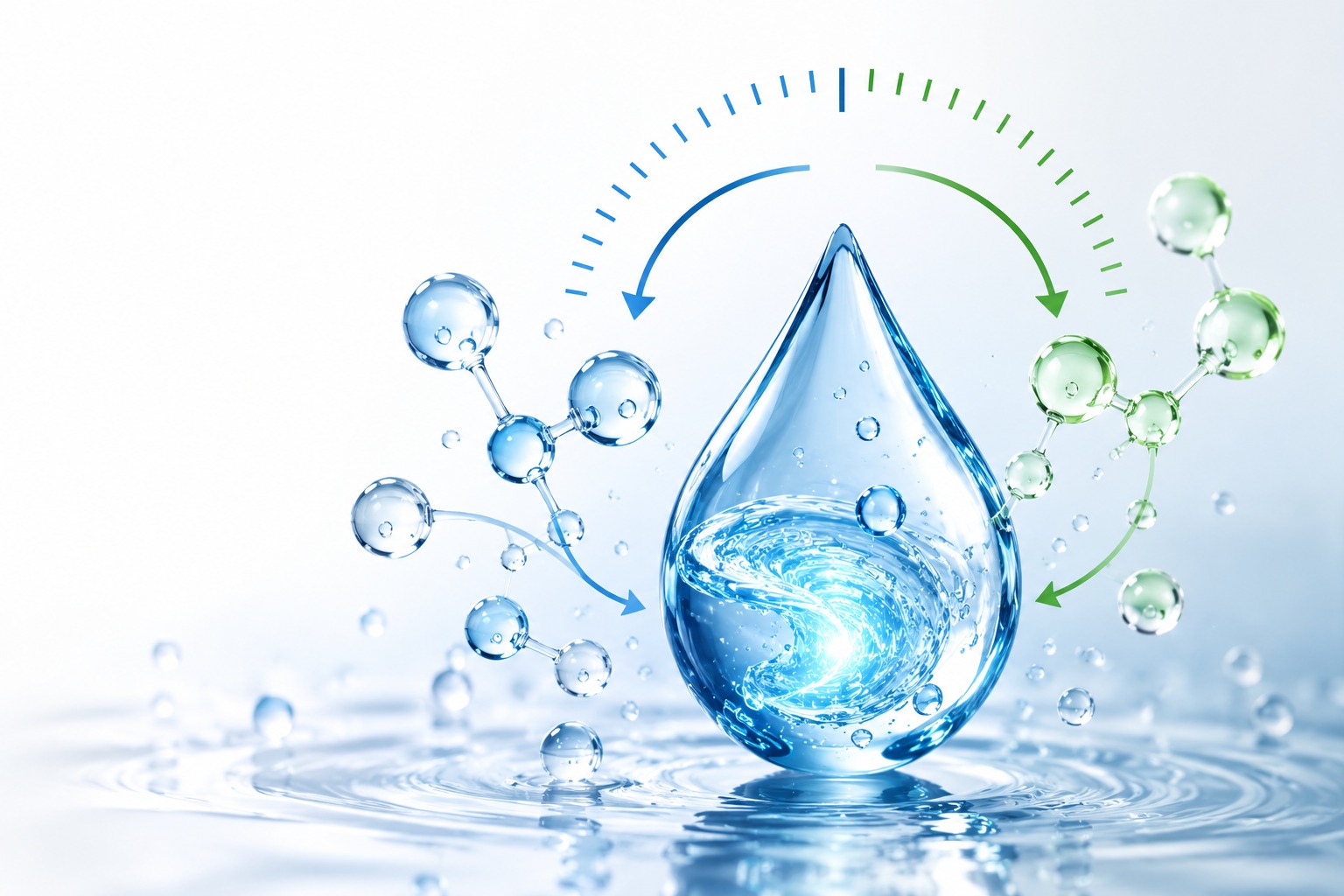
  • Reducing Environment – Negative ORP indicates that the water has greater electron-donating potential.
  • Molecular Hydrogen – Dissolved molecular hydrogen can contribute to the reducing characteristics of electrolyzed water.
  • Electrochemical Properties – ORP provides information about the oxidation-reduction characteristics of water.
  • Supports Modern Hydration – Negative ORP is one of the measurable characteristics associated with hydrogen-rich electrolyzed water.
Negative ORP

HOW IONDIA CREATES NEGATIVE ORP WATER

The Electrolysis Process

Input Water Advanced Electrolysis Separation Process Alkaline Water Negative ORP

IONDIA Water Ionizers use advanced electrolysis technology with specially designed electrodes to separate water into different streams with different electrochemical properties.

ORP VS pH — WHAT'S THE DIFFERENCE?

Both are important measurements, but they describe different properties of water.

Feature pH ORP
Full Form Potential of Hydrogen Oxidation Reduction Potential
What It Indicates Acidity or Alkalinity Oxidizing or Reducing Potential
Unit pH (0–14) Millivolts (mV)
Focus Hydrogen-ion activity Electron-transfer potential
Example pH 8.5 (Alkaline) -250 mV (Negative ORP)
A water sample can have a particular pH while also having a different ORP value. Both measurements provide different information about water.

WHAT CAN AFFECT ORP?

ORP is not a fixed value. It can change depending on several factors.

Water Source

The original characteristics and composition of the water can affect ORP.

Mineral Content

Dissolved minerals and other substances can influence oxidation-reduction potential.

pH Level

Changes in pH can be associated with changes in ORP.

Temperature

Water temperature can influence ORP measurements.

Dissolved Oxygen

The amount of dissolved oxygen can affect the redox characteristics of water.

Dissolved Hydrogen

Dissolved molecular hydrogen can contribute to reducing conditions.

Storage Conditions

ORP can change during storage depending on the container and environment.

Exposure to Air

Contact with air can gradually change the oxidation-reduction characteristics of water.

FREQUENTLY ASKED QUESTIONS

Common Questions About ORP

ORP stands for Oxidation Reduction Potential. It measures the tendency of a solution to accept or donate electrons and is expressed in millivolts (mV).
Negative ORP indicates a reducing environment. Whether a particular ORP value is desirable depends on the intended application and the overall characteristics of the water.
Negative ORP indicates reducing potential, but ORP alone does not directly measure antioxidant activity or hydrogen concentration.
No. ORP can change over time depending on exposure to air, temperature, storage conditions, dissolved gases, minerals, and other factors.
Dissolved molecular hydrogen can contribute to the negative ORP of electrolyzed water. However, ORP should not be used as a direct measurement of hydrogen concentration.
Yes. ORP can be measured using an appropriate ORP meter. For meaningful comparisons, use a properly calibrated meter and consistent testing conditions.
For better retention of dissolved hydrogen and water characteristics, consume the water relatively soon after production and minimize prolonged exposure to air.
There is no single universally established ORP value that is ideal for everyone. ORP should be considered alongside other water characteristics and the manufacturer's specifications.

EXPERIENCE THE POWER OF NEGATIVE ORP & HYDROGEN-RICH WATER

With IONDIA Water Ionizer

Discover modern electrolysis technology and experience freshly produced water with different electrochemical characteristics.

EXPLORE IONDIA PRODUCTS →

IONDIA WATER IONIZER

Advanced Electrolysis Technology

Negative ORP Water

Hydrogen-Rich Water

Multiple pH Levels


1 Year Warranty

Excellent Customer Support

Learn More